Health Bulletin

Health news you can use · PatientCareLinks
Monday, 26 October 2026
← Back to PatientCareLinks
Every item is selected to help you advise yourself, take action, or protect your health. We link to the original source — we don't republish.
Clear

Advisory

18 items
Advisory Source of News WHO Regional Office for Africa

Ebola response: Disinformation kills, care saves lives

Combating false information during Ebola outbreak response
WHO Africa documented how misinformation undermines Ebola response efforts in the DRC. Between May and September 2026, over 34,650 items of online content were analyzed to identify and counter rumors and false information.
Why this matters You should verify health information from official sources like WHO and your health ministry rather than social media, as false information about Ebola can delay life-saving treatment.
Advisory Source of News World Health Organization

WHO Western Pacific Member States agree to urgently accelerate progress on key health priorities

Western Pacific health leaders accelerate action on immunization and chronic disease
WHO Western Pacific regional leaders endorsed action plans to address lagging progress on hypertension control, tobacco control, immunization, and artificial intelligence in healthcare. Member states committed to strengthening immunization systems.
Why this matters You should ensure your family is up-to-date with vaccinations, as the region is off-track on immunization targets and measles is making a comeback.
Advisory Source of News World Health Organization

WHO Pharmaceuticals Newsletter: 2026, No. 2

WHO drug safety updates and regulatory actions for healthcare providers
WHO published its pharmaceutical safety newsletter covering 32 regulatory and safety updates from March to June 2026, including information on antiepileptic drugs, opioids, valproate, and the chikungunya vaccine.
Why this matters You should review medication safety alerts if you take antiepileptic drugs, opioids, or valproate, as regulatory updates may affect your treatment.
Advisory Source of News World Health Organization

Countries move to accelerate action against lead poisoning

WHO calls for urgent global action on preventable lead exposure threat
WHO is calling on countries to accelerate action to prevent lead exposure, marking International Lead Poisoning Prevention Week 2026. Lead exposure is estimated to contribute to more than 3.5 million deaths globally each year and affects hundreds of millions of children.
Why this matters Your children may be exposed to lead through paint, soil, or water; have them tested and avoid old painted surfaces, especially in homes built before 2000.
Advisory Source of News World Health Organization Europe

Get ready for this year's influenza season: vaccination is key

WHO Europe urges flu vaccination for vulnerable populations ahead of season
WHO/Europe encourages high-risk populations including older people, pregnant women, children under 5, and those with chronic health conditions to get vaccinated against influenza. The campaign emphasizes simple protective habits including staying home when unwell and practicing hand hygiene.
Why this matters If you're over 65, pregnant, have chronic illness, or care for young children, get your flu vaccine now to prevent serious complications and hospitalization.
Advisory Source of News World Health Organization

New global framework launched to track increasing health risks of extreme heat for pregnant women, newborns and children

WHO launches heat health tracking framework for vulnerable groups
WHO launched a new global framework to track and monitor health risks from extreme heat exposure in vulnerable populations including pregnant women, newborns, and children. The framework aims to improve surveillance and response to heat-related health emergencies.
Why this matters If you are pregnant, have young children, or live in a hot climate, take precautions during extreme heat: stay hydrated, seek cool shelter, and monitor for heat exhaustion symptoms.
Advisory Urgent Source of News Modern Ghana

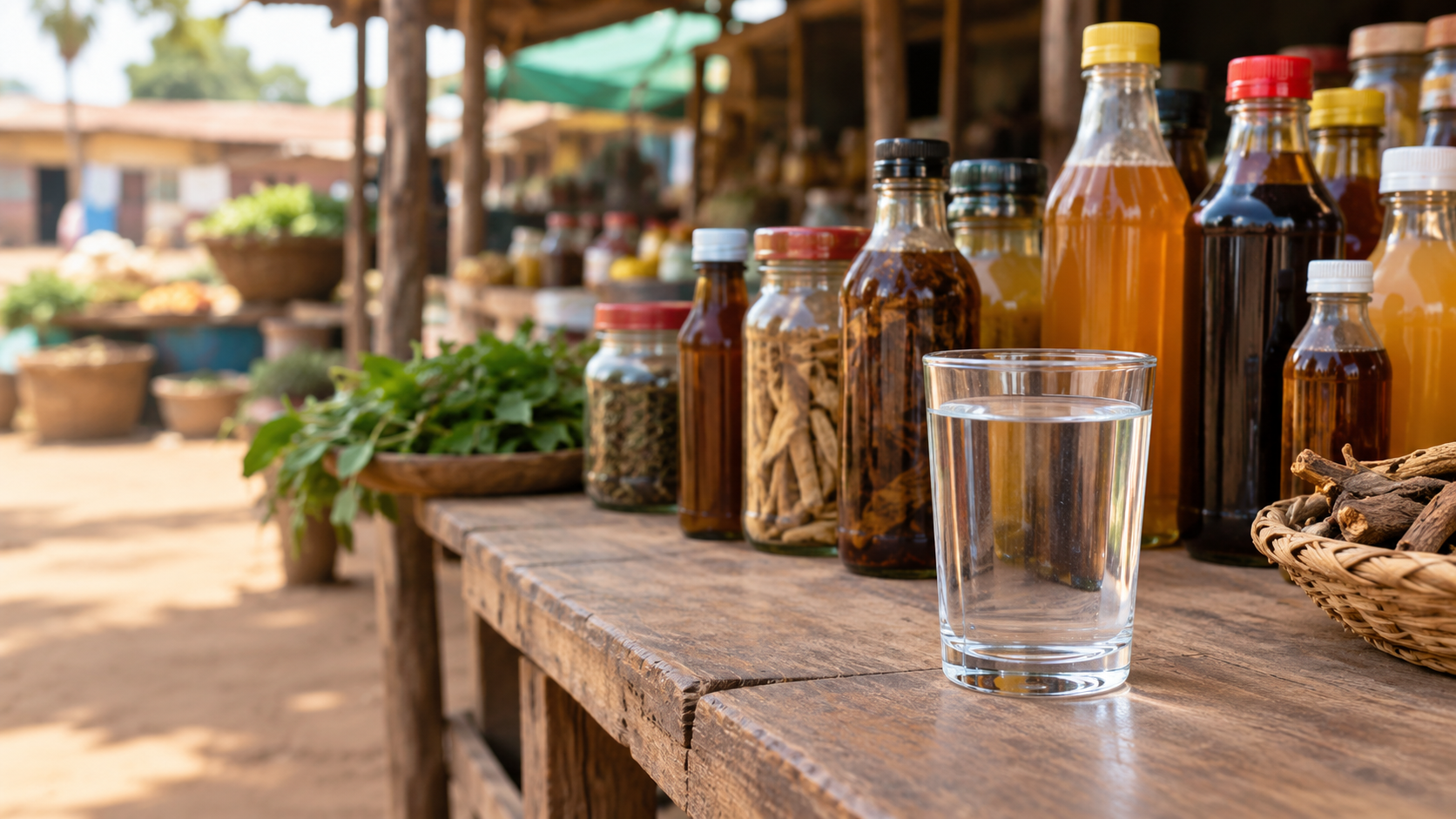
Unlicensed Herbal Preparations: A Silent Health Crisis Threatening Ghanaians

Contaminated products and regulatory gaps leave Ghanaians vulnerable to serious adverse health effects
The article warns that unlicensed, unregulated herbal preparations sold in Ghana's markets contain dangerous adulterants, prescription-only ingredients, and harmful chemicals that pose risks of organ failure and death. Ghana's herbal medicine industry has grown rapidly without regulatory oversight, exploiting cost-conscious consumers seeking affordable alternatives to pharmaceutical treatments.
Why this matters You should verify that any herbal remedy you buy is licensed by Ghana's FDA and avoid unlicensed street vendors to protect yourself from poisoning and organ damage.
Medicine on the streets: The risky drug trade in the Volta Region
Advisory Source of News Ghana News Agency

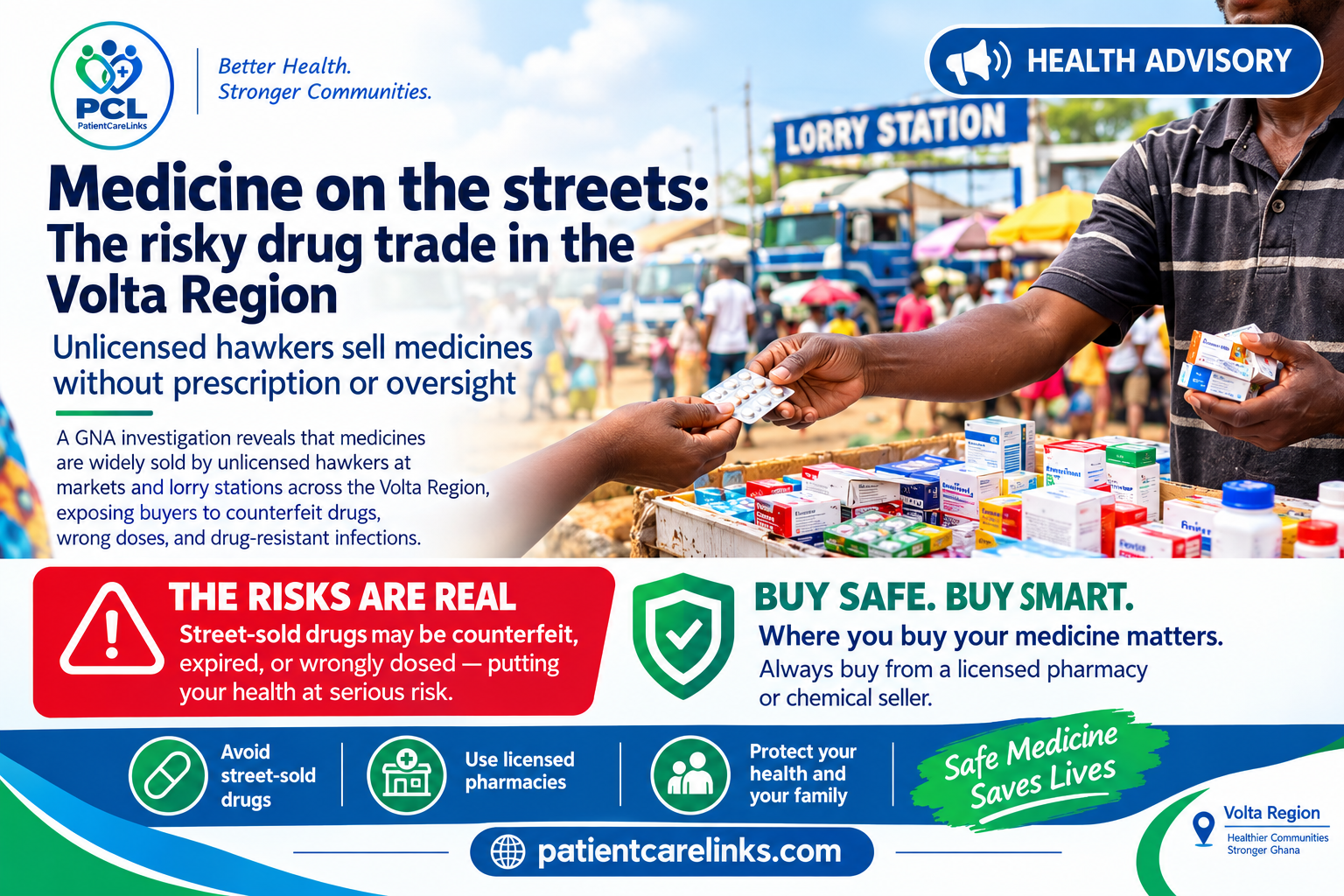
Medicine on the streets: The risky drug trade in the Volta Region

Unlicensed hawkers sell medicines without prescription or oversight
A GNA investigation reveals that medicines are widely sold by unlicensed hawkers at markets and lorry stations across the Volta Region, exposing buyers to counterfeit drugs, wrong doses, and drug-resistant infections.
Why this matters Where you buy your medicine matters. Street-sold drugs may be counterfeit, expired, or wrongly dosed — always buy from a licensed pharmacy or chemical seller.
Herbal concoctions and dehydration are fuelling kidney disease, experts warn
Advisory Source of News Modern Ghana

Herbal concoctions and dehydration are fuelling kidney disease, experts warn

Ghanaian specialists raise alarm over common habits
Experts warn that frequent consumption of herbal concoctions combined with chronic dehydration is driving kidney disease cases in Ghana.
Why this matters The herbal mixtures and low water intake many Ghanaians rely on daily could be damaging your kidneys. Drink more water and talk to a doctor before taking unregulated remedies.
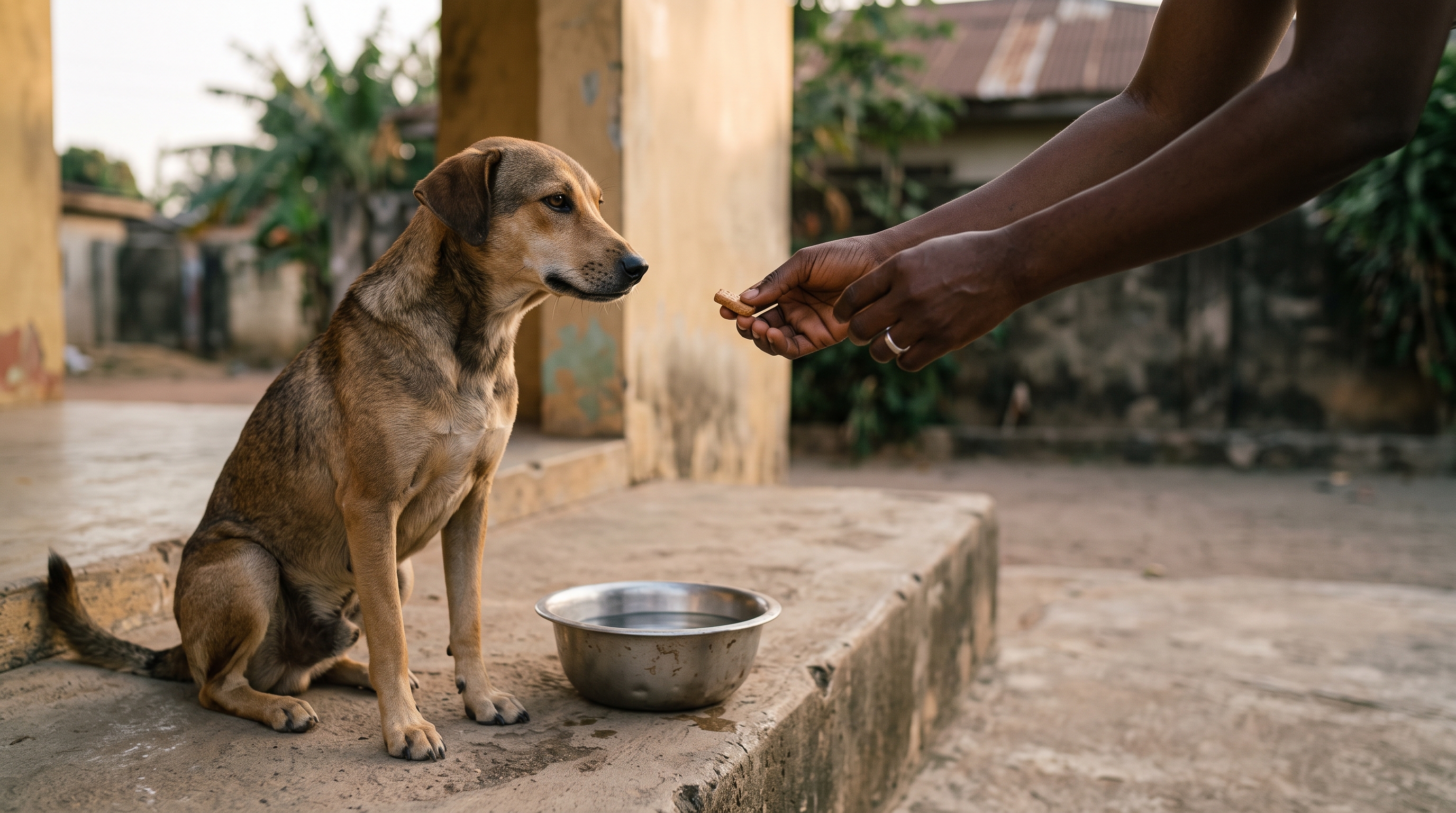
Vaccinate dogs to prevent rabies deaths — Dr Danyo
Advisory Source of News Graphic Online

Vaccinate dogs to prevent rabies deaths — Dr Danyo

Ghanaian vet urges pet owners to act
Dr Danyo urges dog owners in Ghana to vaccinate their pets against rabies, noting that most human rabies deaths are preventable through pet vaccination.
Why this matters Rabies is almost always fatal once symptoms start — but it's preventable. Vaccinate your dog and seek immediate care after any bite.
Breast cancer: 7 changes in your breasts you should not ignore
Advisory Source of News Pulse Ghana

Breast cancer: 7 changes in your breasts you should not ignore

Know the warning signs — early detection saves lives
A practical checklist of the seven breast changes that should prompt a visit to a doctor, published during Breast Cancer Awareness Month.
Why this matters Most breast changes aren't cancer — but the ones that are, are far easier to treat when caught early. Learn the signs and check yourself.
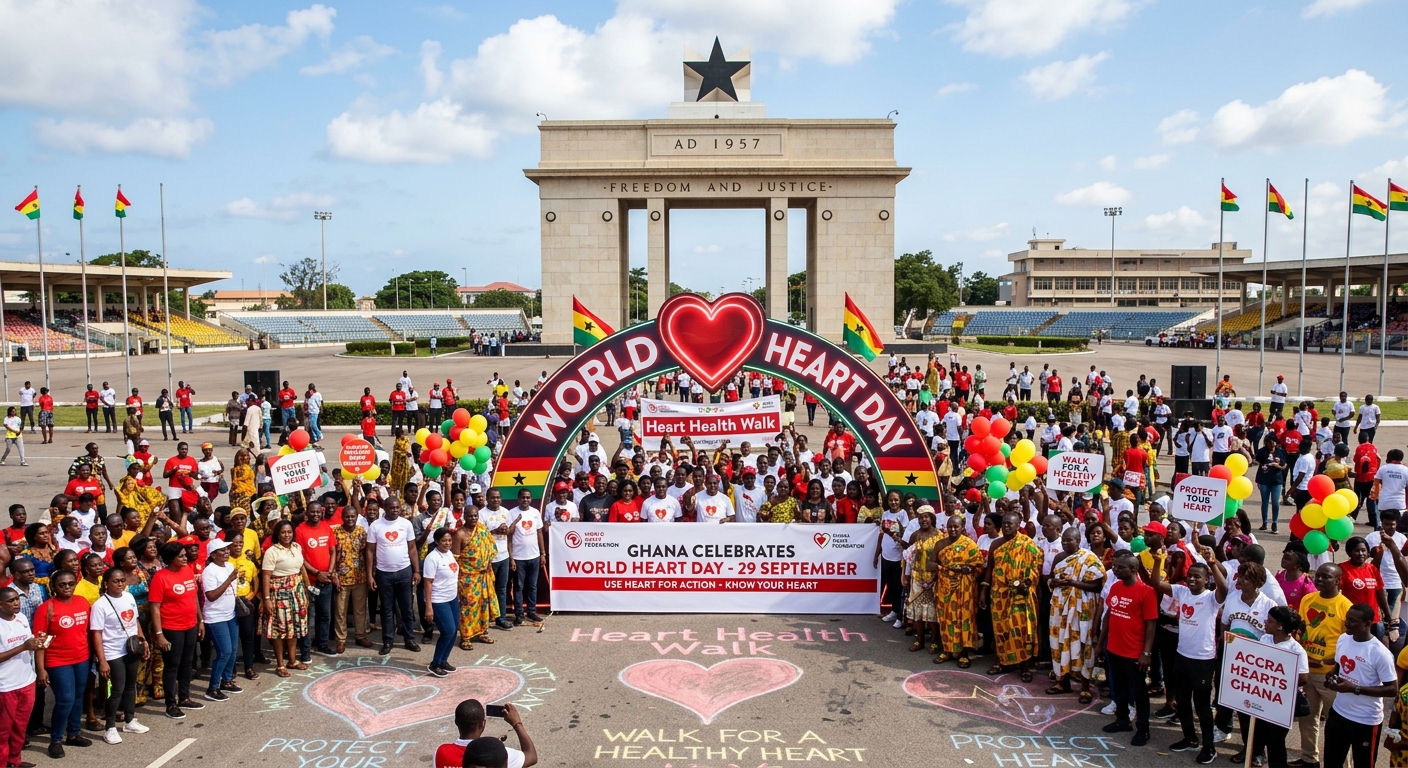
Heart disease quietly ravaging Ghanaian homes — Cardiologist warns
Advisory Source of News Korle Bu Teaching Hospital

Heart disease quietly ravaging Ghanaian homes — Cardiologist warns

One in five Ghanaian adults has hypertension, but most don't know it
A Korle Bu cardiologist warns that cardiovascular disease is Ghana's quiet killer, citing the 2023 WHO STEPS survey showing 21.7% of Ghanaian adults live with hypertension.
Why this matters One in five Ghanaian adults has high blood pressure — and fewer than 5 in 100 have it under control. Get your BP checked today.

Explore by topic

About these bulletins: PatientCareLinks lists health news, events, and advisories from third-party sources such as the Ghana Medical Association, WHO, Ghana Health Service, and the FDA. We do not endorse, verify, or take responsibility for the content of external sites. Every entry links directly to its original source. Always consult a qualified healthcare professional for medical advice.

Read our full medical disclaimer →
© 2026 PatientCareLinks · The Health Bulletin
Have a question? Chat with a doctor